
Geographic Distribution of Economic Activity
Understanding the Role of Transportation in Economic Geography

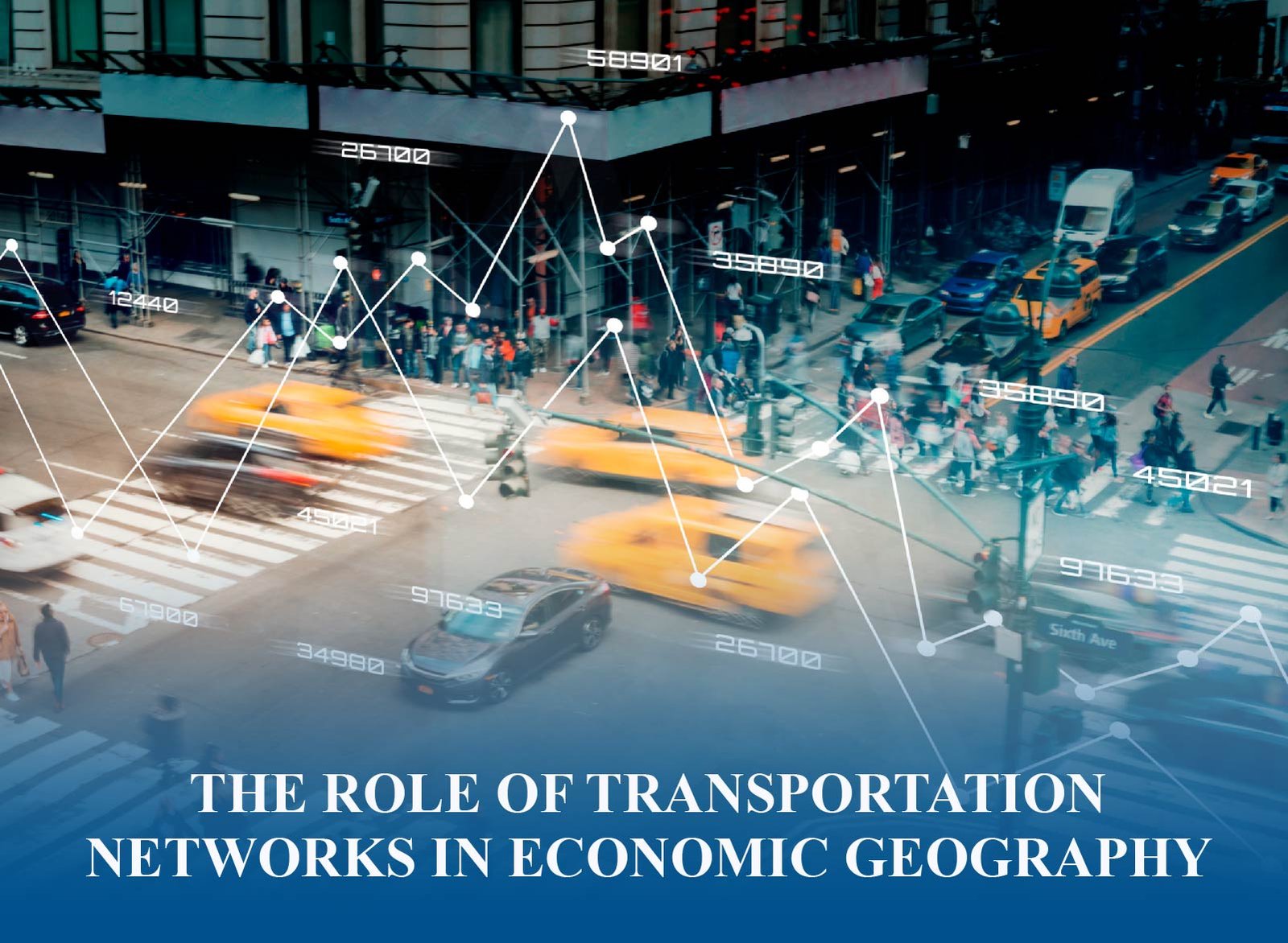
Economic geography depends on the transportation networks. They allow the exchange of commodities, services, and humans, between producers and consumers and local markets and global markets. Effective transport decreases the length of time to travel, decreases production and distribution prices, and enhances access to work, schooling, and health care. Whether it be roadways and railways, ports and airports, the quality and the access to transportation systems have direct implications on the regional productivity and competitiveness. Cities are most of the time successful because of a strong transportation framework, whereas rural places are denied economic advancement by a lack of good transport facilities.
With the enhanced globalization and interdependence of the economies, the strategic development of transportation becomes imminent in the economic geography planning process. Efficient decision-making in the policy of trade, infrastructure investment, and related to regional development may be done through the ability to comprehend the relationship between roads, rail, airways, and sea routes with that of physical geography. This article explores the multi-layered impacts of transportation on economic geography, the impacts of transportation on trade, labor mobility, industrial development, and regional inequality. Transportation does not merely represent a logistical matter; instead, it serves as an influential means in the development of the economies of states and regions.
Transportation and Market Accessibility
The transportation networks are critical in enhancing market accessibility through a reduction of the time of travel, distance and cost. Good infrastructure enables the producers to access wider consumer markets, particularly located in remote or third-world areas. Transportation links provide networks that combine local and national supply chains and help foster competition, productivity, and economic inclusion. The internet connection between urban and rural thus increases access to economic geography opportunities between the two and this has resulted in diversified earnings, a rather stable business environment that increases investment and lessens regional disparities.
Connecting Producers to Consumers
The modes of transport such as; roads, rail, and shipping enable producers, particularly those in the agriculture and manufacturing sector, to access buyers in a cost effective manner. Such direct contact improves revenue through market broadening and less wastage or transportation delays. Where transport coverage is rampant, transit time is reduced hence products are delivered in better condition thereby increasing satisfaction of the customers hence increasing competitiveness of the business both locally and as an exporter.
Expanding Retail and Service Sectors
The advancement of transportation facilitates the expansion of the retail space and the activity of the service firms. With the efficient movement of goods and services, the retailers are in a better position to have the proper stocks available and businesses are not exposed to logistical hiccups. Such dependability enhances investment in the underdeveloped areas, facilitating urbanization, and contributing to the local jobs because small businesses will have an opportunity to flourish in new and existing markets.
Cost Reduction and Price Stability
Good transport ensures reduced costs of logistics thereby making goods cost effective to the consumer. Retailers will have lower costs of transportation hence will have a better price to sell their goods at. This will foster affordability and will enhance uniformity in price differences across regions. This stabilization minimizes inflationary factors and has a guarantee of constant supply of goods to the remote and neglected regions that enhance economic efficiency.
Enhancing Rural Economic Inclusion
Access to transport that can be relied upon enables producers in the rural areas to reach the urban markets and chains and enhance their contributions to the economy. The increased access also increases income stability, resource accessibility, and throws away the subsistence activities dependency on income. In the long term, it enhances development of the rural areas, smokes the urban-rural gap, and promotes inclusive economic regulations with an objective to decrease poverty.
Promoting Investment Zones
Investors are attracted by good transport infrastructure that enhances ease of accessing the suppliers, employment opportunities and customers. Land close to a highway, port or airport will commonly develop into a production or logistics center. The zones create jobs, promote innovation and drive local economies. Businesses can move around easily hence more companies are likely to expand business operations, engage in long-run investments, cultivate dynamic economic geography environments.
Transportation and Trade Dynamics
The transport infrastructure forms the keystone of domestic and international trade. Freight corridors, airports, highways and seaports are essential in transporting products in a fluid manner. The more a country has a strong transport system, the quicker they are able to export products, import important resources and keep the prices down. International trade involves multimodal networks, which are interknown and well-linked so that proper logistics can be realized on land, in the air, and at sea. With the volumes in trade rising, the governments and businesses should be willing to invest in transport improvements to prevent bottlenecks and tap the emerging market.
Seaports and Global Shipping
Sea ports are the main ports through which international trade occurs. Nations such as Singapore and the Netherlands are quite instrumental in international business since they have well-furnished facilities in various ports. Well-functioning ports will guarantee fast turnover of cargoes, ease congestion and enable exporters to respond to market demands globally without delays, which are major strengths in winning competitive markets in the electronics, food and the textile industries.
Border Connectivity and Customs Flow
A well-designed infrastructure on the land-border streamlines customs clearance and faster trade across the common boundary. The presence of well-maintained roads and the railway system to the customs areas facilitates the movement of the freight on time. Automated capacities in customs services coupled with new transport corridors facilitate freer trade particularly in the landlocked terrains where their dependence lies on adjacent ports and trade entryways.
Air Cargo and Time-sensitive Goods
High value goods (medicine, electronics, fashion items) as well as perishable products, can be quickly transported using air transport to reach their destinations in time. The presence of cargo terminals in airports located in proximate areas (to the production regions) also helps in effective Just in time logistics. This will decrease wastage and will assist in satisfying the world demand in a short time frame which is of benefit to the exporter and those time-sensitive industries that rely on timeliness.
Inland Freight Corridors
Freight corridors based on rail technologies mean better transportation of bulk freight over long distances, which relieves the highway and creates less carbon emissions. Interior logistics centers, linked to ports or the border, serve to simplify the work of mining, agricultural and industrial companies. This multimodal addition facilitates the economical movement of goods between regions and improves domestic trade.
Trade Integration Through Infrastructure
Economic corridors including cross-border infrastructure projects like the African Continental Free Trade Area or China Belt and Road lead to encouragement of international trade. Such projects open up new markets to the inland countries, lower logistical logistics, and increase regional cooperation through superior supply chain performance and regional infrastructure conformity.
Transportation and Labor Mobility
Good transportation enhances mobility of labor that links workers to places of work and other related services. Having better public transit, highways, commuter systems, people will be able to travel longer distances and within affordable prices and within a reasonable time. This decreases congestion in the cities, enables people in rural areas to engage in urban economies, and is balancing the workforce distribution. Improved labor mobility contributes to equity, productivity and social development. It also assists in equating skilled labor and demand, lowering unemployment rates and enhancing the resilience of the economy.
Commuter Rail and Urban Access
The suburban rail services help in closing the gap between the residential and the employment centers in the urban settings. Through them, individuals can travel to the cities without moving hence alleviating congestion in the cities. These railway systems are power-efficient, low-cost, and help the cities to be greener and thus favour the overall increase of the labour supply towards less homogenous areas.
Migration Patterns and Development
Mode of transportation influences migration by promoting voluntary migration to systems which have better job markets. When roads and transit are present, people in the countryside will be more likely to migrate in search of a job. This assists in balancing between the supply and demand of labor and enhances economic growth in the source and destination regions in terms of remittance in the economy and transferring the skills.
Equalizing Job Opportunities
Areas with the high development of transport live a better balanced distribution of jobs. People are able to travel longer distances without using cars, which decreases unemployment rates and inequalities as far as wages are concerned. This also provides employers with an even wider range of talent and aids innovation and economic development in those areas not as heavily populated.
Access to Education and Skills
There is improvement in terms of transport networks that enhance access to schools, colleges and vocational training centers. This is of benefit to the youths in the rural /underserved areas whereby they acquire qualifications and enter into formal employment. Improved educational access leads to economic inclusion and economic mobility in the long run.
Seasonal Labor Movement
The significance of mobile labor includes agriculture sectors. These seasonal workers are able to be located within the preferred destination as there exist good transport structures and roads. This assists the economy to attain production, reduce labor squeeze and enables an economically feasible revenue base to the migrant worker.
Technological Advancements in Transportation Networks
Due to technological innovation, a revolution is taking place with regard to transportation and the economic geography. Whether it is intelligent transport systems, GPS tracking or even digital freight, technology saves time, is safer and helps with coordination within networks. It enhances the accuracy of delivery, the use of less fuel and also real time decisions can be made. The use of smart infrastructure promotes improved management of assets, whereas automation and data analytics reduce the costs of operations. Such developments are assisting in assimilating the rural producers, supply chain optimization and luring high-tech industries that pursued reliability and innovation within the supply chain.
Smart Logistics and Routing Efficiency
Artificial intelligence and live data-driven advanced routing software decrease fuel expenses and time spend on the way. Companies would have an opportunity to arrange maximum delivery loads, reduce emissions, and respond to the needs of consumers quicker. The technologies enhance economic performance since it reduces any impediments to the supply chain and increases the reliability of services.
IoT and Fleet Management
IoT equipment in the trucks and cargos will allow live-tracking, tracking the temperature, and sending maintenance alerts. This makes goods move without any kind of loss, reduces spoilage and promotes efficiency in the fleet of vehicles especially in industries such as agriculture and pharmaceuticals.
Automation and Autonomous Vehicles
Automated warehouses and self-driving trucks ensure an efficient way of organizing logistics, reducing the cost of labor, and enhancing throughput. Such innovations are especially effective in industrial areas and the delivery of freight to the city, where quickness and accuracy are decisive to the presence of a competitive advantage.
Digital Freight Platforms
Shippers and carriers are united through efficient logistics marketplaces online. They save time that would have been lost in downtime, offer transparent prices, and ease the access of small businesses to national and international markets without the necessity of huge commitments in terms of infrastructure investments.
Data-Driven Infrastructure Planning
Big data analytics can assist in strategizing new paths and measuring performance by governments and companies. Through predictive modeling, it is possible to make informed investment choices, coordinate traffic flow and make graded improvements that sustain economic growth over time.
Environmental Sustainability in Transportation Development
Sustainability is an important issue as transportation networks increase in number. Green use of transport systems, including electric cars, rail freight instead of road freight and walking and the use of non-motorized transport systems, can minimize carbon emissions and safeguard ecosystems. Sustainable construction materials, noise prevention, and biodiversity are part of environmentally friendly infrastructure planning. Sustainable growth between development and environmental responsibility is necessary for economic success in the long term. Green infrastructure not only supports climate objectives, but also promotes public health as well as energy efficiency, a critical element in modern economic geography.
Promoting Low-Carbon Transport Modes
Electric buses and the transfer of freight transportation to trains are much more emission-free and favorable to the air of cities. Such transformations are significant particularly in densely populated areas or areas with high traffic where pollution has adverse effects on health and productivity. Low-carbon transport does not only help reduce environmental damage but would also facilitate a shift towards cleaner, healthier and more sustainable forms of urbanity.
Urban Green Mobility Solutions
The cities which invest in bike lines, easy walking neighborhoods, and electric public transportation attract and retain talented residents and stimulate sustainable living. Green mobility clears the road and makes the mode of transportation affordable. Such enhancements promote social fairness and economic growth within local communities through accessibility and productivity. Cities that adopt such solutions are livable, more able to quickly adapt to prevailing conditions, and economically active in the long-run.
Sustainable Infrastructure Materials
Recycling and friendly materials during the construction of roads and infrastructure reduces their impact on the environment including saving of natural resources. It also develops green supply chains and markets, which provide an opportunity to innovate the sustainability technologies. These practices allow minimizing the reliance on raw materials, therefore, promoting eco-friendly development and goals targeted at the protection of the environment and economic sustainability in the long run.
Eco-Conscious Planning and Zoning
This is achieved largely by strategic planning which entails such measures as comprehensive environmental studies to incorporate infrastructure projects out of eco-sensitive zones. Green zoning conserves landscapes, safeguards biodiversity and guarantees sustainable management of natural resources. This development is in tandem with a balanced development in the sense that the development carried out can be in union with the conservation activities to be sure that urban sprawl does not degrade the environment. It promotes sound expansion without altering the health and operations of other ecosystems.
Renewable Energy Integration
Switching to renewable energy, among other reasons, including using green energy to power an electric car and installing solar panels in the transport stations, will help get rid of the reliance on fossil fuels. The integration is beneficial in national climate objectives and long-term reduction of emissions. Developing a coherent infrastructure plan with renewable energy policies can create a more sustainable environment and lead to fewer carbon footprints and energy-resilient cities devoted to climate-based action.
Conclusion:
The economy Transportation networks form the basis of economic geography and they determine the flow of goods, services and people around regions. They decide the availability to a market, affect systems of trade and impact upon job possibilities. Areas that have well-organized transportation facilities enjoy more investment, goods availability and more rapid economic growth. Conversely, underdeveloped regions are characteristically stagnated, isolated, and noncompetitive. Transport has a central position in the integration of rural and urban economies, lessen the regional differences, and promote inclusive growth. Infrastructure that sustains strategic investments (involving transport infrastructure, e.g., in roads, railways, ports and airports) enhances long-term economic resilience providing better supply chains, and drawing interest in the private sector.
These networks do not only serve as conduits of movement but also game-changing economic forces which touch on all walks of life including agriculture and high-tech industries. The role of transportation in economic geography would be crucial knowledge to those designing policies, planning, and those studying it and as such need to understand how transportation contributes to this field. Providing a good transport system preconditions sustainable development, the integration of a nation, the competitiveness on the scale of the world.
Struggling to make sense in economic geography or to develop quality academic material? You may have essays, research papers or studying projects and an expert’s help can make a difference. Receive one-on-one advice, well-organized around the subject and with exhaustive knowledge taking into consideration your academic objectives. Learn step-by-step concepts all the way to sophisticated analysis and get help you need to improve grades and feelings of confidence. Stop straggling in vain, and start becoming a high achiever in academic life now with the help of professionals in economic geography and other fields.
FAQS
1. Why is economic geography concerned with transportation networks?
The network systems of transportation influence the flow of goods, people and services, trade, employment and regional development. Good networks encourage development in society whereas a bad network system can hamper the growth in the economy.
2. What are the effects of transport?
It makes transport of goods cheaper and less time consuming giving the producers access to even bigger markets and enhances competition between regions and most especially between the rural and the remote localities.
3. How is transportation connected with labor mobility?
Proper transport networks enable the labor force to get jobs, education and services conveniently and this limits the pressure of urban migration and helps in regional economic equilibrium.
4. What impact do transport networks have on International trade?
Countries with adequate infrastructure have an international economic edge in terms of cross-border trade because they have greater access to seaports, airports, and freight corridors in accordance to which they conduct faster and cost-effective business.
5. How are transport investments important in stimulating economic growth?
It will provide employment, inflow of investors and increase industries such as tourism and industry. When made in the long-term, these investments result in long-term GDP growth and development.
6. What role will transportation play in regional equity?
Transportation has been one of the ways to decrease inequality by linking the underdeveloped regions with national systems and, therefore, enhancing equality and including the rest of the regions in the flow of economic prosperity.

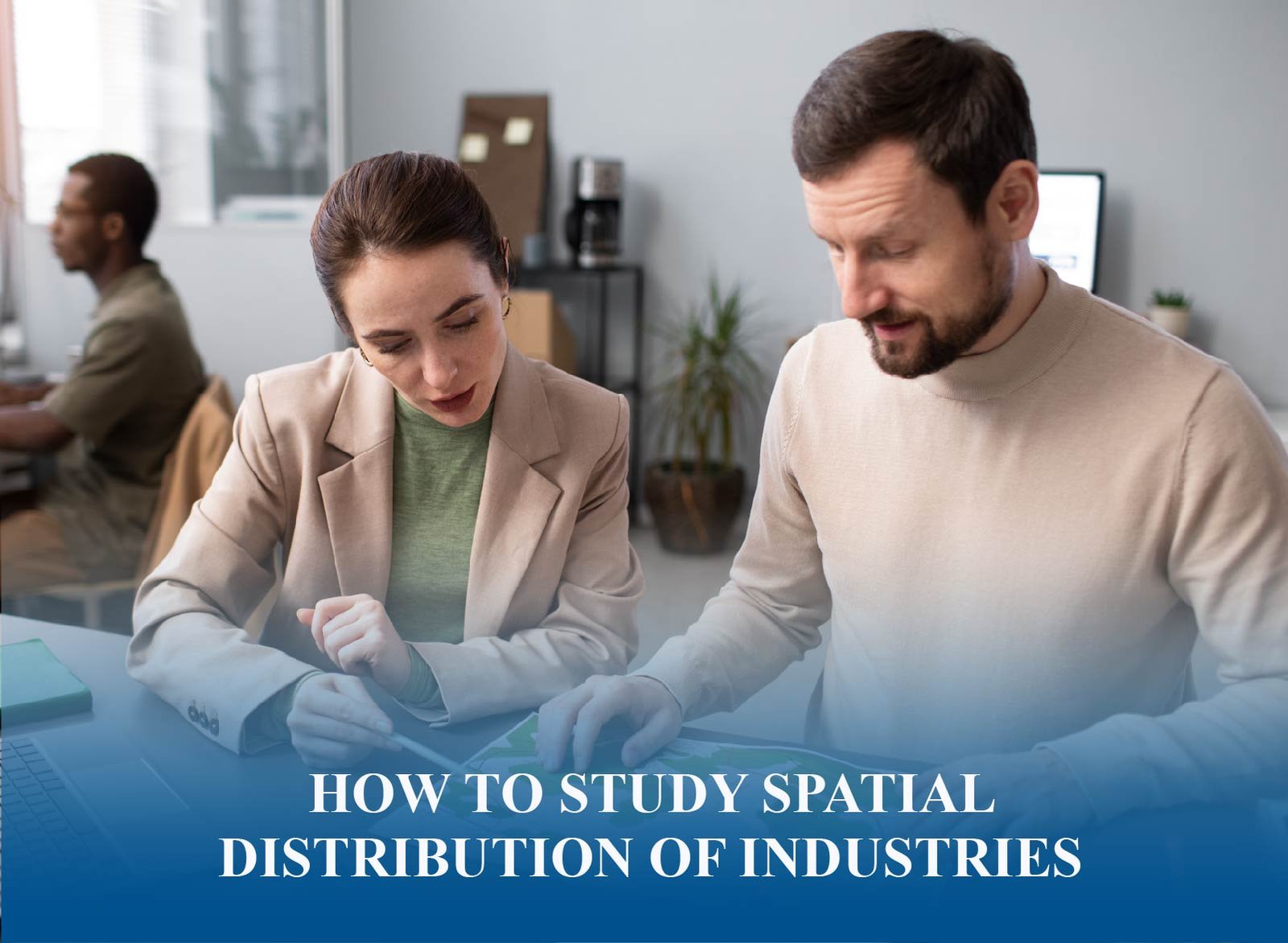
The spatial distribution of industries looks into the location of industries, the reasons behind the concentration of industries in a given location, and the dynamics of the industries in time. The research enlightens geographers, planners and economists about economic trends and the costs of development within regions. It involves the study of such aspects as natural resources, accessibility to transportation, availability of labor force as well as government policies. Commonly used techniques include spatial mapping, GIS analysis, field surveys and statistical modeling. By appreciating the concept of industrial distribution it is possible to plan better concerning infrastructure, economic zoning, and environmental management.
It also indicates unequal conditions and the possibilities to develop industries in different regions. This research contributes to focused development and effective policymaking because of the finding of industrial poles, corridors, and lagging regions. It is particularly significant in the current globalized economy where supply chains and market competition are space separated. In the case of academic work, business, or urban planning, it is worth learning how to analyze the patterns of the industrial space in terms of understanding the economy within geography. A combination of technical equipment and knowledge of context is necessary to make sense of patterns and advise on possible interventions.
Key Concepts in Industrial Spatial Distribution
In order to know about spatial distribution of industries, it is necessary to learn about such concepts as the location theory, industrial clustering, agglomeration economies, and the core-periphery model. The theories show the reason why industrial facilities are located in certain geographical areas and how the location decisions depend on issues such as the infrastructure, labor, and market access. Other tools used by analysts include input-output analysis, and land-value analysis. The distinction between the concepts of footloose and resource-dependent industries is instrumental in spatial industrial prophecies and policy.
Location Theory and Industrial Placement
Location theory emphasizes on the selection of location decisions taken by industries in order to reduce costs and maximize profits. It looks at transportation, availability of resources, value of land and market access. It allows demonstrating why industrial centers are centered in the areas of highway or port, and service-oriented industries are more likely to be focused on the urban areas. Such knowledge of spatial decisions can inform the field of economic geography and regional planning.
Agglomeration and Clustering
Agglomeration Agglomeration is the phenomenon of concentration of industries in a region to access labour pools, suppliers and infrastructure. Such closeness is associated with innovativeness, cost-saving and even productivity. Silicon Valley or India textile centers are some examples. The clustering effect assists in attracting additional businesses and workers, developing a self-growth cycle and a self-reinforcing process that can make regions industrial powerhouses.
Core-Periphery Model
Core-periphery model refers to the concentrations of the economic activities towards the developed core whereas the periphery region is less industrially developed. Core areas, which have their benefits such as the levels of infrastructure, skilled workforce and capital, have more industries. The central areas usually depend on farming or primary processing. Such a model identifies a problem of balanced development policies to decrease regional inequality.
Footloose vs. Resource-Based Industries
Software or other design industries are examples of footloose industries that can be realized anywhere since they have low requirements of certain raw materials. They also tend to choose regions with a good digital infrastructure and pool of talents. Conversely, the other group of industries, such as the mining or steel industry, needs to be close to material resources, which controls the fixed spatial distribution. This is because learning about this difference assists in the prediction of the growth of industries.
Urbanization Economies
The urbanization economies are found where other industries have the use of large cities. The perks of this are availability of customers, developed infrastructure, supporting facilities, and well-educated workforce. City centres become appealing by start-ups and established companies, urging industrial concentration. These economies give an explanation as to why cities become multipurpose industrial and service centres.
Tools and Techniques for Spatial Analysis
Spatial distribution of industries demands advanced tools that help in determining the trends and associations among regions. The centre point is Geographic Information Systems (GIS) because this assists in the visualizing of industrial densities as well as the infrastructure connections. Other associated tools can be the satellite images, spatial autocorrelation analysis, location quotient (LQ) analysis and field work. Such methods enable the researchers to locate the industrial centres, geographic imbalance and sectoral focus. By combining quantitative data, with field-based purposes, analysts acquire a more sensitive, many-faceted comprehension of the manner in which industries alter based on space, and what shapes their location conduct.
Using GIS for Industrial Mapping
Geographic Information Systems (GIS) will assist in drawing detailed industrial maps, and analyze spatial concentration and regional patterns. GIS has the ability to overlay type of industry with infrastructure, labor and economic indicators and gives a graphical explanation of distribution. These maps are also applicable in monitoring the growth, and in strategy formulative research gaps to assist policy formulative strategies to enhance spatial equitability and efficiency.
Location Quotient (LQ) Analysis
Location Quotient (LQ) establishes the difference between a region and the country with regard to its industry share, and identifies the strength of the economy and specializations. A high LQ determines regional concentration of a certain industry. This instrument assists the researcher to identify industrial dominance, diversification and make decisions concerning investment and development planning.
Spatial Autocorrelation Techniques
Geographic autocorrelation techniques, such as Moran’s I and Getis-Ord Gi*, tell us how much industries sit together or spread apart geographically. These statistical tests identify whether patterns are not random or not. A strong autocorrelation is associated with regional specialization whereas weak results indicate regional distributions. This will assist in identifying areas to be given economic boost or development of infrastructure.
Satellite Imagery and Remote Sensing
Changes in land-use and the growth of industries are being observed over the years using satellite images and remote-sensing devices. Such technologies are particularly helpful in areas with rapid growth or no regulation where there are no official sources of information. Smart urban and regional planning can be facilitated through the ability of analysts to monitor urban sprawl, locate new industrial locations, and determine the environmental effects.
Field Surveys and Observations
Digital tools make fieldwork a complement as the former captures on-ground realities like existence of informal industries, limitations in infrastructure, and industry behavior. Observations give a context to the mapped data on why such locations are chosen by industry. This qualitative data is added to improve the level of accuracy particularly in the developing regions that possess incomplete or obsolete spatial data.
Factors Influencing Industrial Location
Industrial location is a complicated combination of physical, economical, and policy driven factors. The factors that are considered are natural resources, skilled labor, market access, transport infrastructure, and government incentives when it comes to location decisions. All these factors vary with the industry circa: a textile unit might focus on the availability of labor and a steel plant has to be close to raw materials. Industry locations are also defined by environmental regulations and zoning as well. These variables are essential to examine the presence of contemporary spatial patterns, as well as to be able to predict possible changes in industrial geography as a result of a change in an economical or regulatory environment.
Proximity to Raw Materials
Heavy and mineral-intensive industries, which include steel, cement and mining are commonly found where raw materials are found. This reduces transport expenses, stable input supply and heightening general operational efficiency. In these types of industries, logistics may form a huge portion of the expenses and adjacency is a critical site location factor.
Labor and Skill Availability
Another industry may tend to locate to a location that is attractive due to the availability of vast or even skilled labour. Regardless of being a low-cost manufacturer or provider of technology-based services, access to a trained human capital and educational institutions is capable of having an impressive impact on industrial clustering and long-term sustainability.
Infrastructure and Connectivity
Industrial success would require effective transport systems, power supply, access to water, and digital networks. Industries are likely to locate to highly convenient areas where it is easy to get inputs and sell the items in the market or even move all of it to the market within a reasonable span of time. The infrastructure is usually not good enough to support large scale investment and growth.
Government Policy and Incentives
Tax holidays, Special Economic Zones (SEZs), subsidized land and lax regulations are programs offered by the government to govern the direction of industries in a specific area. These incentives lower the cost of start up and doing business that has an effect on the location of business and in the planning of the overall development of the regions.
Environmental and Zoning Regulations
Land use policies and environmental laws greatly influence the location of industries. It can limit pollution or potentially dangerous facilities around the locations of habitation and promote green sectors within sustainable industrial zones. Staying in the rules guarantees the correct functioning by law and requires the least ecological damage.
Patterns and Trends in Industrial Distribution
Supports like global economic changes, technology changes and policy reforms affect the industrial spatial patterns continuously. The old industrial capitals, which used to be built around a port and/or resources, or other facilities are to be reshaped or dwindled. They are being replaced by innovation driven zones, inland industrial corridors and smart cities. These trends, including automation, digitalization, and sustainability, are changing the location of and ways of industries. This awareness of the changing patterns would aid the planners to foresee the infrastructure needs and make an attempt at balanced development of all regions, so that economic development is thoroughly functionally combined with urban and environmental requirements.
Industrial Corridors and Growth Zones
Development corridors such as the Delhi Mumbai industrial corridor in India are tactical areas of infrastructure, incentives, policies and connectivity. Those types of areas bring the attraction of investment as well as the growth driver in a region as they lead to integrated planning, and resource clustering within an industry. These corridors turn out to be economic engines to larger geographical regions.
Deindustrialization of Old Centers
Automation, environmental pressures and globalization, among other factors, see many industrial cities that relied on their factories decline as these plants either close or move to other locations. This is referred to as deindustrialization and it creates restructuring of the economy, losses of jobs and decay in cities. Investments and changes in policies and redevelopment are usually required in order to reuse these areas and encourage differential development.
Rise of Knowledge-Based Clusters
Industries that require a lot of knowledge therefore tend to be clustered around research organizations, universities, and centers of innovation. The clusters facilitate high skill jobs, facilitating collaboration, innovation, and start-up. Knowledge centric industries are more likely to be drawn to and maintained in a city with a well-established academic and digital support.
Coastal vs. Inland Industry Spread
As trade has relied upon coastal cities to host the industry in the past, industrial growth has been occurring in interiors, as recent advances in transport and logistics have allowed the possibility to happen. Economic zones and manufacturing parks are emerging in inland areas and eliminate excess concentration near the coast and establish balance in growth.
Global Value Chains and Relocation
Global value chains enable performances of the production in various countries on the basis of cost effectiveness, labor supply and access to trade. In the face of tariffs or the setting of labor laws or due to exchange rate fluctuations multinational firms move parts of their production which continuously transform industrial geography and competitiveness at a regional level.
Applications of Studying Industrial Spatial Distribution
Studying the geography of occupation in the industries is interesting to geography since it makes important geographic inputs in economic planning, physical development and facilitating balance in the region. It assists governments in the design of specific investment policies, assists companies to choose the best sites and assists academics to evaluate patterns and trends in industries spatially. It plays a role in smart zoning, ecosystem-friendly development and effective resource distribution through spatial analysis. The discipline is crucial in effective governance and academic knowledge diffusion, including the regional differences, widening economic opportunities and improving living and urban/regional planning interventions towards more sustainable and equitable industrial development.
Economic Planning and Policy Design
Governments access spatial data in order to detect industrial gaps, centers of growth, and areas in which they can make investment. This makes it possible to have economic policies particular to the region and which will increase productivity, provide job opportunities and reduce the gaps in development. Spatial trends assist policymakers in distributing appropriate spending on public infrastructure facilities and promoting inclusive industrialization.
Industrial Zoning and Urban Planning
Industrial spatial analysis facilitates good urban planning through combining economic needs and residential well being. Through spatial data, planners have the chance to come up with zoning laws that could avoid overcrowding, avoid traffic congestion, and save the environment. It makes sure that the industrial activity is isolated in the residential areas and coordinates harmony in cities. This will result in a cleaner city, healthier environments, and efficient utilization of land; this use is compatible with industrial development as well as the lives of the residents.
Business Expansion Decisions
Firms use industrial spatial distributions in an attempt to determine ideal sites to expand to. The location of the prototype close to labor, raw materials, logistic, and market locations also apply in site selection. Spatial intelligence allows the companies to lower operating expenses, enhance supply chain productivity and increase their competitiveness. It is possible to achieve stability and scalability in the long-run once business location is pegged on demand and infrastructure. This considered application of spatial information makes business planning no longer a guessing game but a spatially sensitive and driven information-based decision process.
Environmental Impact Management
The spatial information enables the authorities to identify the cluster of industries and deal with the influence of such factors on the environment efficiently. Through the information on where industries are located, the government can adopt specific guidelines to curb the emission and ensure decrease in pollution. This is also facilitating development of eco-industrial parks which fosters sustainable industrialisation. It is necessary to monitor the spatial trends, in order to ascertain compliance to the environmental standards where destruction to the ecosystems is minimal. In general, spatial understanding would help to find a balance between industrial expansion and environment-related responsibility and the future of an environment.
Academic and Educational Research
Spatial industrial data is used by students and researchers in learning about industrial development, shifts in the economy, and spatial trends. It is especially important in fields of study such as economic geography, urban planning and regional development. This information can be used by scholars to give ideas on the way the industries evolve, in what areas they perform better and the elements of change. This study is not only academic but also assist in planning and policymaking in real-life scenarios, blurring the lines between theory and practice.
Conclusion:
Industrial spatial distribution focuses on how economic and geographical occurrences in addition to institutional choices influence the industrial geography. The analysis will be used to pin down zones of development and those which are not developed reasonably hence enable effective strategic planning and creating balance in the economies in the regions. Other tools like Geographic Information Systems (GIS) and location theory, and spatial analysis are also available which enables the stakeholders to track and understand industrial trends accurately. Such insights are key to governments, businesses and researchers who hope to realize an inclusive development and keep a competitive advantage.
In addition, industrial spatial analysis will be helpful in predicting future changes which might be due to the global trends associated with automation, change of climate, and transformation to digitalization. When these developments are anticipated, policies and investments can be adjusted by decision-makers. Finally, the industrial spatial distribution is not a mere theoretical or academically theoretical venture, but rather a practical concept that will help ensure a better economic balance, reduces the development planning, but also imparts more sustainable and resilient types of industrial ecosystems. In this context, spatial analysis is a key determinant in making sense of issues as well as the best considerations of economic geography and economic sustainability of industrial regions in the long-term.
Want to study industrial spatial distribution but need expert advice in your research or study work? Receive customized assistance in writing essays, projects and deciphering of data. Creating industry patterns, analyze the industry confidently whether you are a student, researcher, or planner. Contact us now to hone your knowledge and achieve greater success within the scope of your academic or professional career!
FAQs
1. What do we imply by spatial distribution of industries?
It can be understood as the physical pattern and distribution of the industries within geographical areas and the clustering of the industries on the basis of such aspects as resources, labor, and infrastructure.
2. What is the significance of spatial distribution study?
It assists planners and researchers to know the economic trends, growth areas as well as regional balanced development.
3. Which laboratory equipment is applied to study spatial distribution?
The popular tools used to analyze and map industry locations include GIS, location quotient, satellite images as well as spatial statistics.
4. What are government policies in distribution of industries?
Communities can use incentives such as SEZs, infrastructure development and zoning regulations directly affecting industry site location
5. Are studies of spatial distribution useful in curbing inequality?
Indeed they assist in focussing on the underdeveloped regions in order to invest there and to facilitate a more balanced economic growth.
6. What do industries choose in determining location?
Different industries have various considerations such as accessibility to raw materials, market, labor force and policy incentives when selecting a location to be built.
Geographic Distribution of Economic Activity
How Geographical Features Affect Agricultural Production
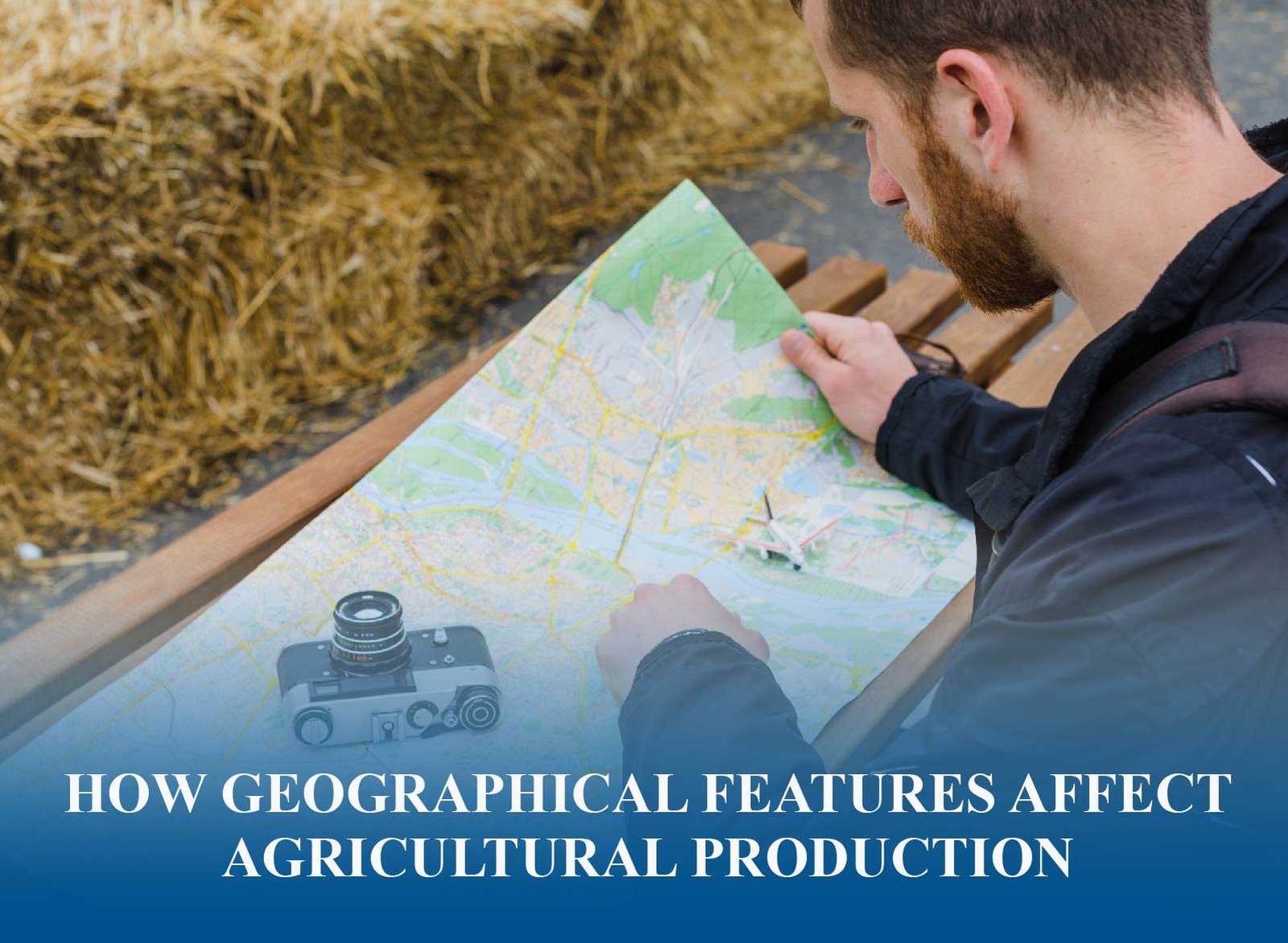
The geographical features is core in the aspect of agricultural production in the global world. Geographical features like the quality of soil, the terrain, the availability of water as well as the climate determine the manner and the location of successful crop growth. The physical geographical features of the land determine how farmers work as well as the crops that they choose to grow. Examples of such regions include fertile plains that provide great conditions to produce food in mass due to the richness of their soils and availability of water. Conversely, hilly lands are problematic to the issue of mechanization and irrigation and in most cases result in terrace agriculture or cattle grazing. Depending on the climate, crops to be grown depend and since temperature, rainfall and seasonal variation directly affects plant growth cycles, then dependent on the climate.
On the same note, the closeness to rivers or the sea influences the irrigation capability and the selection of crops. The geography also determines the ability of farmers to handle climate change and embrace sustainable farming. It is very important to realize how geographical features influence agriculture in developing effective policies, planning food security, and the economic stability of farming communities. This article also discusses five fundamental geographic dimensions: climate, soil, water, landforms, and elevation, their detailed effects on agriculture throughout the world.
Climate and Its Role in Agriculture
Climate plays an important role in agricultural success by geographical features in growing seasons, crops as well as yield due to varying parameters such as temperature, rainfall, humidity and frost. Predictable weather enables sustainable agricultural production with a failure of crops only in cases of unpredictable or extreme weather. Regional specialization is also influenced by climatic zones with the tropical regions supporting crops such as rice and sugarcane whereas a temperature zone supports wheat and maize. It will be necessary to take into consideration climatic patterns to improve the planning of long-term farms, which is also needed to achieve sustainable farm results with minimal risks related to fluctuations in weather conditions and climate changes affecting farming tasks.
Temperature and Crop Growth
Every crop has a given temperature range, which is best suited to its growth. Crops such as tomatoes, corn that grow in warm environments need warm temperatures to grow, while lettuce, spinach, which grow in cool climates, develop best in cooler temperatures. Hot weather may lead to poor flowers or low harvest whereas cold weather may destroy young crops. Planting and harvesting are time sensitive and farmers depend on temperature forecasts and data to avoid losses and maximize productivity.
Rainfall Distribution
The rainfall affects the irrigational requirement and survival of crops. Adverse Effects Regions that experience seasonal rains are prone to growing rice and other crops that are water intensive (monsoon areas). Excessive rain might lead to flooding and root diseases and drought would make the crop wilt and yield less harvest. This knowledge on rainfall patterns assists in selection of appropriate crops and investment in appropriate irrigation infrastructures to enable use of water wisely during periods of drought.
Wind and Humidity Levels
Pollination, drying up of crops and even destruction by the wind, are all influenced by wind. The humidity is important to the growth of the disease, especially fungal ectoparasite infections. Disease resistant varieties of plants may be necessary in regions with large amounts of humidity. Sensitive crops microclimates can be regulated using windbreaks and greenhouse solutions. As farmers adjust farming techniques in regard to the directions of the winds and moisture patterns in the atmosphere.
Seasonal Variations
There is a difference in latitude of the number and timing of growing seasons. It has distinct growing windows as there are clear springs and summer periods to grow in temperate areas, and some places can be year-round in the tropics. Seasonality has an impact on crops, labor requirements, and stability in the food supply. When it comes to planting, farmers will keep in time with seasonal patterns to prevent frost, and make sure rainfall is available, and more efficient harvests.
Climate Change Impacts
The increasing weather, unpredictable precipitation, and extreme weather conditions disorient conventional agricultural activity. The changing climatic zones have an impact on crop viability, pests, and diseases. The agricultural areas that formerly specialized in some crops may be forced to change varieties or purchase climate-resistant seeds. Weather-based insurance schemes and climate-smart agriculture are increasingly becoming indispensable ways of contemporary agriculture in a world susceptible to climate change.
Soil Types and Fertility
Farming is soil intensive. In addition to the structure and composition, nutrients are important in crop selection and yield capacity. The soils are either sandy or clayey each having its own water-holding capacity as well as nutrient availability. Most crops do well in soils with balanced characteristics such as loam soil. The production should be maintained in the long run by managing soil fertility. This involves using organic material, correct rotation of crops and good fertilizer use. Healthy soils ensure steady agricultural performance and can serve to achieve food security in the context of the increasing environmental challenges.
Loamy Soil Characteristics
Loamy soil, the composition of which includes a certain percentage (balance) of sand, silt, and clay is the best loamy soil to conduct agriculture because it is very fertile, well drains and retains moisture. There are several vegetables, grains, and fruits which are supported by it. The process of adding compost to the loamy soil is widely used by farmers who are trying to increase the soil structure further and to stimulate more microbial activity resulting in a strong development of crops.
Clay and Sandy Soils
Clay soils hold water and can be saturated whereas sandy soils do not hold much water and could also lose nutrients easily. Both demand particular management: clay can be worked with raised beds or drains, whereas sandy soil should be watered frequently and fertilized with organic substances. It is important that the crop types match with the soil characteristics whenever it is desired that the crops yield effectively and are eco-friendly.
Soil pH and Nutrient Availability
The nutrient availability to the soil and its uptake is influenced by soil pH. Nutrients such as phosphorus may be tied up in acidic soils, and/or micronutrients may become scarcer in alkaline soils. The vast majority of crops do best when the soil has a neutral pH of 67. Reducing pH helps correct the soil, with lime or sulfur treatment. Conducting frequent soil analysis helps farmers to maximize nutrient concentration and avoid nutrient deficiencies or toxicity.
Organic Matter and Soil Life
Organic materials enhance the properties of the soil by increasing its water-holding ability, nutrient content and its structure. It also enhances good soil organisms like earthworms and microbes. Organic content is facilitated by things such as composting, cover crops, and low tilling. Sustainability is achieved as strong plants are produced and fewer chemicals are required due to environmentally healthy ecosystems of soil.
Soil Erosion Risks
The barelands and the hilly regions are easier to erode causing loss of fertile soil and nutrients. The problem is enhanced by deforestation, overgrazing and inappropriate cultivation. Some common practices of soil conservation are terracing and contour plowing as well as planting cover crops. It is important to retain top soil in order to ensure future agricultural productivity as well as the well being of the environment.
Water Availability and Irrigation
Water plays a crucial role in growth of the plant affecting its germination, acquisition of nutrients as well as photosynthesis. The availability of water in an area is important in agricultural activities and the crops that can be produced. Areas that have predictable rainfall or rivers can be used in intensive irrigation whereas the dry regions should use water conservation techniques such as drip irrigation. On agricultural patterns, water availability determines the nature of the agricultural approach, specifically in the regions that are drought-prone or those that are subject to climate pressure. It is important to stress how the use of water resources should rely on a sober approach both in terms of productivity and sustainability in agriculture. With the increasing climate change, accommodating water shortages forms a major component of agricultural planning and food security in the long term.
River Basins and Irrigated Farming
Such river valleys as Nile, Ganges and Yangtze can sustain high concentration of agricultural areas because the water supply is present. These are places where canals or pump irrigation is exercised on crops to increase their productivity throughout the year. The close proximity to water bodies reduces the cost of irrigation and enhances the intensity of cropping therefore river basins play a central role in national food security.
Rainfed Agriculture
Agricultural activities in most regions of the world, particularly Sub-Saharan Africa and some parts of Asia, rely absolutely on seasonal rainfall. This predisposes it to climatic fluctuations. Moisture-conserving methods, such as rainwater harvesting and mulching, are applied to increase reliability. To ensure food security in these areas governments and non-governmental organizations encourage drought worthy crops.
Groundwater Depletion
Increased dependence on ground water aquifers in India and California has been cause of severe depletion of ground water. The existence of unsustainable pumping poses a threat to the future of water, which is used in agriculture. Some of the alternatives are controlled extraction, recharging rainwater and transitioning to crops with reduced water requirements. Agricultural futures are of interest in terms of sustainable groundwater management.
Drip and Sprinkler Systems
New forms of irrigation such as sprinkler and drip irrigation systems enable fine water application so there is little wastage and better productivity. In a dry area and particularly in a place that has lower water sources, drip irrigation is very appropriate in saving water and maintaining moisture at the required level. Although these systems are expensive to install they are efficient and have a long term sustainable agriculture under water shortage circumstances.
Water Pollution and Salinity
Poor soil can be caused by polluted water or salt water in which case crop growth may also be poor. Water bodies can also be polluted by farm waste that is full of fertilizers and pests. New solutions include integrated water management and the utilisation of treated wastewater as a source of irrigation water. To prevent the further degradation of soils over a long period and safeguard the health of the people, monitoring of water quality is important.
Landforms and Terrain Influence
Such landforms like plains, plateaus, hills and valleys are major causes of agricultural land use. Plains with leveled lands are suitable to be mechanized and managed on a large scale as they are easily reached and controlled. Conversely, the hilly regions or the mountains need modified skills such as terracing. Terrain influences the likelihood of erosion, water run off as well as exposure to sunlight which influence the growth and health of crops and soil. Depending on the landform, farmers will adapt agricultural activities, which are productive and sustainable.This is why knowledge of landforms is crucial in the planning of any farm to make sure that land is utilized in the most effective manner and that the issues of the environment are addressed in the most prudent manner.
Plains and Mechanized Farming
Plains provide the right environment to embrace mechanized farming since it provides level ground and productive soils. Farming here is big and uses tractors and harvesters to produce our crops making them more efficient. Otherwise, nations such as the U.S., Ukraine, and Argentina depend upon their plains to export a lot of their grains both locally and to other worlds.
Terraced Hillside Farming
Terraces are constructed at the mountainous spots to eliminate erosion and minimize water retention. Examples of countries practicing terracing are Nepal and Peru where they cultivate rice, maize, and potato. This technique is maximized due to the little land and also assists communities to cultivate even on a steep surface. Terrace farming demonstrates how humans were able to utilize challenging the geographical features.
Valley Agriculture
The topography of valleys allows good soils because of the deposited sediment and they enjoy favourable microclimates. These lands are cultivated with fruits, vegetables and grains. The location is close to rivers which allows easy irrigation. But at times valleys are also at flood risks during peak rains. They can utilize their agricultural potential by using integrated watershed management.
Coastal Agriculture
Coastlines give the opportunity to use fisheries as well as use salt tolerant crops such as coconut, rice and sugarcane. These areas are susceptible to saltwater invasion and cyclones. The constituents that farmers embrace in relation to mangrove conservation, raised beds and salinity tolerant crop varieties. Coastal agriculture is a mix of land-based and marine-based resources which are used in the production of food and sustenance of local economies.
Desert Land Use
The climates of desert areas are arid as rainfalls and soils are poor. However, farming is possible with such innovations as greenhouses, hydroponics and desalination. Such regions as the UAE or Israel have transformed deserted territories into fruitful fields. Technology and adaptability in such harsh geographic conditions are some of the most evident aspects of desert agriculture.
Elevation and Microclimates
Elevation affects temperature, air pressure and precipitation which are the variables that are directly involved with agricultural potential. At higher altitudes one gets a cooler atmosphere, which is beneficial to crops that grow better in low temperatures. Such regions can also be subject to special rainfall systems. Variation in altitude forms microclimates whereby farmers are able to differentiate crops within a short region depending on the different conditions. It is a diversity that can make the whole more resilient and productive. This knowledge of elevation is vital in effective land use planning by farmers as it assists them to make good crop selections, utilizing their resources well and being able to adapt to the environmental factors so as to achieve sustainability in farming.
High-Altitude Crops
Plants such as coffee, tea, and some fruits thrive better at high altitude areas because of low temperatures and improved sweetness. High altitude farms are found in the Andes, Ethiopian Highlands, and Asia. Such crops frequently find the market as export products that contribute to the local economies of the region and to saving traditional agricultural expertise.
Frost Risk and Cold Injury
Upper levels are more susceptible to frost than lower levels and are likely to destroy crops that are susceptible to frost e.g tomato or grapes. Predictions of frost and methods of protection such as wrapping plants or installation of heaters are used. The use of frost resistant varieties is also an option in managing the cold injury to withhold investments into highland agriculture.
Mountain Microclimates
Mountains are able to develop all kinds of climates in short distances because of changing altitudes and different slopes. Slopes that face south are warmer and have more sun compared to those that are on the north side of the mountains. The farmers take advantage of this diversity and plant mixed crops. In some mountainous areas, microclimates permit production to take place throughout the year.
Vertical Zonation and Crop Zones
Various crops develop at various altitude levels. In that light, an example is that bananas are cultivated in low altitude and potatoes and barley crops in high regions. Vertical zonation enables communities in mountains to take advantage of the best of food production along altitudes. This is an ancient tradition that continues to be applied in areas such as the Andes and Himalayas.
Altitude and Animal Husbandry
Animals that have adapted to working in a high altitude are yaks, llama, and the mountain sheep. These animals can withstand lower temperatures and rugged environments and favour pastoralism where farming of crops is less practiced. High-altitude pastoralism generates meat, milk, and wool in the mountains as a significant contribution to the rural economy.
Conclusion:
Agricultural production is essentially influenced by geographical features. Whether it is climatic conditions, soils, availability of water or altitude, every factor presents its own opportunities and limitations. Knowledge of these forces enables farmers to change their practices and policymakers to develop interventions at a regional level. Geography cannot be extricated in agriculture since every farm has its own unique geographical features setting. This is the balance between farming and nature on which sustainable agricultural development can be built. Nations that appreciate and accommodate their geographical features are able to advance their food security, export capacity, and the environment.
Geographical features literacy is more necessary as climate change introduces uncertainty. Those are the correct methods of soil conservation, water management, and climate adaptation, which differ depending on their location. Celebrating the power of geographical features can assist in designing resettlement food systems and affirmative rural economies. Before getting arable lowlands or rocky highlands, geography is simultaneously an indication and an obstacle to feeding the world sustainably.
Will you want to learn more about geography and agriculture? Find out more about the intersection of these disciplines, and how the knowledge may be implemented in the policies making, scholarly research, and similar matters of regional development planning. Geographical features perspectives of agriculture can be used to come up with more effective and feasible solutions. The article can be perfectly applied to students, planners, and educators wishing to apply the use of place-based agricultural tactics. Make everyone, that has interest in coming up with the future of agricultural and regional development, aware of this resourceful item. Prepare the future generation of leaders with the understanding they will require to make informed, meaningful decisions in the future based on both geography and the science of agriculture.
FAQs
1. What is the impact of geography on farming?
The soil quality, climate, and water availability are among the factors, which are affected by geography and are essential in crop growth.
2. What is the importance of climate in farming?
The climate controls the growing season, rainfall and temperatures which are of key importance in crop yields.
3. What is the role of soil in agriculture?
Healthy soils grow healthy plants and vice versa poor soils restrict the magnitude of production and demand more input.
4. What is the affectation of elevation on agriculture?
At higher altitudes the growing season can be shorter, and temperatures lower, which influences crop selection.
5. Will irrigation help in resolving all water problems?
No, irrigation is beneficial but it requires water and when poorly managed it leads to soil erosion.
6. Why do some regions produce more than others agriculture-wise?
Growing countries with fertile land, beneficial climate, and access to water will automatically contribute towards quality agricultural output.
Geographic Distribution of Economic Activity
Economic Activities Based on Geography in Developing Countries
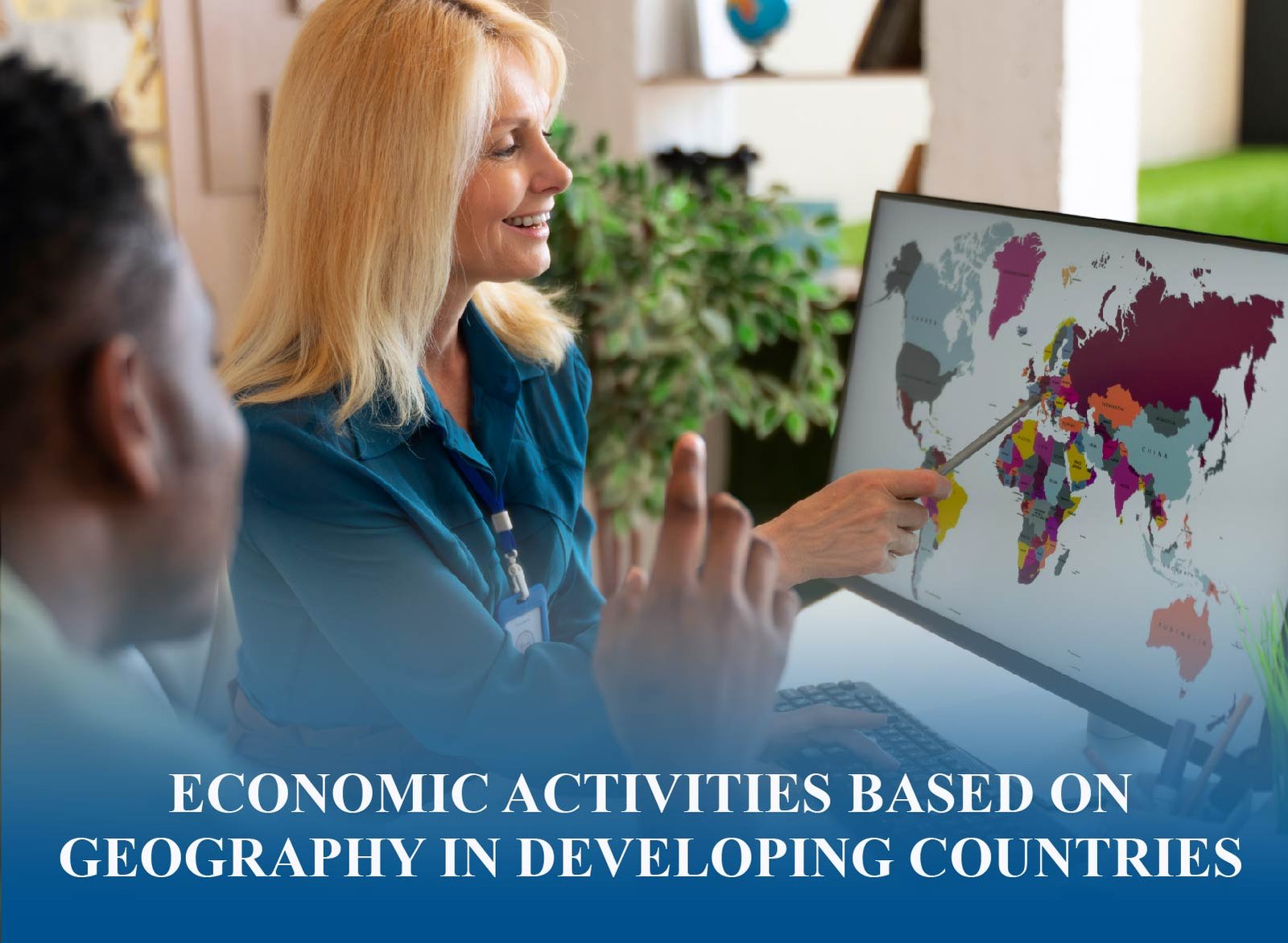
Geography is essential in determining economic activities especially in developing economies where the livelihoods are greatly influenced by the geographical characteristics. The physical landscape usually dictates the economically viable activities as there are river valleys that are fertile and good for agriculture, mountains that make transportation impossible, lowlands that are prone to rain and floods, and so on. Agricultural, trade and industrial development are directly affected by climate, soil type, availability of water as well as elevation and closeness to the coastlines. These geographical issues determine the kind of occupations taken by people in most areas such as farming, fishing, mining, and tourism activities.
Dependence on these environmental conditions and adaptation of them is very important in the sustainable development of developing nations. The result of unequal geographical advantages is that it can cause imbalances, which result in the division between urban and rural as well as an economic gap between regions. Nevertheless, through infrastructure development, economic diversifications and development, nations can convert geographic disadvantages to economic benefits by taking the advantages of such local things that are unique to the locality. This article explores the influence of geography in the activities of developing countries, and how geographical insight can be used to develop a successful development plan.
Agriculture and Land Use Patterns
It is usually the first economic activity in developing countries and to a maximum extent, it really depends on the geography of a certain location. Major farming is done in regions that have rich plains, reliable rain and water supply through irrigation systems. In the meantime some regions can be restricted to subsistence or pastoral agriculture like the arid or mountainous regions. These tendencies have an impact on food security, the possibility of trade, and rural jobs. Geography also defines the types of crops that are cultivated, rice in lowlands, maize in savannas or coffee in highlands. The development of sustainable agricultural activities demands that practices with trends to safeguard and protect the environment should be harmonized with the practices allowing the processes to become sustainable as well as keeping risks such as droughts and soil erosion.
Role of River Valleys in Food Production
Natural rivers such as the Nile, the Ganges or the Mekong are stagnant agricultural hotspots due to their alluvial fertile soils, and steady supply of water. People also inhabit around these rivers because land is fertile and they access irrigation. This facilitates subsistence as well as commercial cotton farming, leading to national food security as well as exports.
Highland Agriculture and Specialty Crops
Places like Ethiopia or Colombia are great producers of crops such as coffee and tea as they grow in the highland areas of developing countries. The niche agricultural production can exist in the cooler climate and mainly in distinct soil conditions, and the niche agricultural production is often combined with the export economy. These areas are a source of foreign exchange revenues yet they are susceptible to erosion.
Coastal Plains and Cash Crops
Flat lands and water transport are usually preferred coastal regions that are suitable to grow crops such as sugarcane, oil palm and cotton. These regions are targeted in terms of investment and infrastructure and are at risk of cyclones and rising sea level. Agro-processing industries are also supported by coastal agriculture.
Drylands and Pastoral Economies
Pastoralism raising e.g. goats or camels is the main source of livelihood of the communities since rainfall in the semiarid areas such as the Sahel is very erratic. These activities favor the traditional modes of life but are very sensitive to changes in the climate, desertification and land degradation.
Shifting Cultivation in Forest Zones
Shifting cultivation is still practiced in the rainforests. Farmers cut pieces down to be used temporarily and vacate after a couple of seasons. Although sustaining at a small-scale level, population pressure may result in deforestation and decreased biodiversity when not controlled.
Natural Resources and Extraction Industries
Such natural resources as minerals, oil, forests and water bodies directly influence the region’s economies. We also observe that resource-endowed regions in the developing countries are usually spots of foreign investment, infrastructural development, and migration. Nevertheless, reliance on the extractive sectors may result in an unstable economy and environmental degradation. To make such resources part of the positive development in the long-term, it is important to rely on proper governance, a fair sharing of benefits, and sustainability.
Mining Regions and Mineral Wealth
Copperbelt in Zambia or gold fields in Ghana are some of the areas where a lot of income is generated as a result of mining. Mineral deposits are determined by geography and the areas are turned into economical centers. Nevertheless, they have to endure pollution, land conflict, and dependence on various resources.
Oil-Producing Coastal Zones
Nigeria or Angola are examples of states whose economies strongly depend on oil dredged out of coast basins. These are areas that urban development and infrastructure are attracted to and polluted by, lack inequalities, and poor diversifications. In other sectors, reinvestments would be necessary since the economy would be resilient.
Forested Areas and Timber Industries
The Congo Basin or Amazon has forested areas which provide timber and non-timber products. Forestry may help provide livelihood and exportation, but due to unsustainable logging are endangered and the indigenous population at risk. Forever and a day forestry is imperative.
Inland Water Bodies and Fisheries
Freshwater fishing is also an important source of income since it is done in the lakes and rivers such as Lake Victoria or in the Mekong River. These ecosystems are facilitated by geography but, it can be decreased by overfishing, pollution and dam constructions, bringing detriments to the livelihood.
Resource Conflict in Rich Regions
Wealthy geographical regions could also have conflicts over resources, particularly in politically-challenged areas. The presence of diamonds, oil or rare earths can also spur conflict, corruption, and civil disturbances that sabotage aspirations of development.
Trade Routes and Transportation Networks
Geography has a great say in movement of people and goods, which is a determinant of trade efficiency and trade development. Even terrain, water, and shores make transport cheaper and readily accessible, and the existence of mountains or land locks will lead to increased transport charges and lack of market approach. In developing nations, transport facilities such as, ports, rail and roads are critical assets to surmount such natural obstacles. Improved connectivity is contributing to realizing economic potential, opening of distant areas to the national economy, and minimizing geographic disparity in access to markets and services.
Coastal Cities and Port Economies
Such cities as Mombasa, Dakar, and Karachi are suitable for economical development because of their accessibility due to being on coastal areas. These are the cities where significant ports are located as far as support of exports, imports, and international trade are concerned. They are commercial and industrial centers due to the geographical importance that has made them the seat of industries, foreign investment, and attraction of rural migrants. Port cities are foundational components of national economies because they can provide a link between local producers and the rest of the world.
Landlocked Nations and High Trade Costs
Landlocked countries like Chad or Nepal that have no direct access to seaports have to incur high costs when it comes to importations and exports. It is based on the infrastructures and political collaboration of other developing countries that their economies rely on. There is need to develop regional trade pacts as well as cross-border transport corridors that should lower the prices and increase accessibility to markets which will lead to economic integration and expansion.
River Transport in Inland Economies
Rivers such as the Amazon and Niger are used as transport corridors in areas where there is a lack of infrastructure in the form of road networks. Access to trade, fishing and tourism: River transport is cheap, inexpensive and has a low environmental footprint. These natural freeways are used to bring markets and services across to isolated settlements and raise the local economies, and diminish isolation of the backwaters.
Mountain Regions and Isolation
Physical isolation in Highland areas like the Himalayas or the Andes is commonly experienced and this prevents access to health, education, and markets. These regions do not usually have economic activities unless the government invests in infrastructure. Incorporating mountains into national development plans can be done by building roads, strengthening digital connectivity as well as fostering niche industries such as ecotourism.
Strategic Corridors and Economic Zones
Such transport corridors as the Northern Corridor in East Africa or the China-Pakistan Economic Corridor (CPEC) connect the inland territories with key ports. These are strategic routes that shorten traveling time and expenditure, encourage investment and industrial growth. Such corridors have helped to convert geographic disadvantages into economic advantages of landlocked and remote regions by enhancing accessibility and logistics.
Climate Zones and Economic Specialization
Economic activities take place within the climate and they determine the ways economic activities can be carried out. The tropical areas receive rain all-year-round so that numerous harvests can take place whereas temperate areas are seasonal farmers. Dry lands have farmland problems and present the solar energy opportunity. Climate predetermines the type of crops, suitability of livestock, tourism potential, and disaster susceptibility. In a developing country, knowledge of the climate zone is crucial when it comes to agricultural planning, energy development and disaster preparedness. Proper policies utilizing climate helps in food security, resilience, and sustainable development in the poor or resource-constrained areas.
Tropical Climates and Crop Diversity
Places such as West Africa and Southeast Asia get hot and humid weather, which is conducive to flexibly cultivate various crops. A variety of crop cycles can be created, permitting subsistence and commercial farming. Such a fertility is however accompanied by challenges such as pests, disease in plants and soil weariness. These tropical zones require careful management of land and control of pests and sustainable methods to ensure continued productivity and livelihood.
Arid Zones and Water Scarcity
Areas with perpetual water shortages include deserts and semi-arid regions in North Africa, or regions around certain parts of Sudan and Central Asia. Farming in these climates requires irrigation and crop resistant to drought. Most of the arid zones have good potentials to be exploited in solar energy farming instead of traditional farming. The local economies can be diversified and establish sustainable sources of income by investing in renewable energy in these regions that have an abundance of sun.
Temperate Highlands and Mixed Farming
The climate of highland regions located in East Africa and Central America is moderate, and it enables differentiated agriculture. Here, mixed farming flourishes with dairy, vegetable and small scale industries being carried out. These areas will help in balanced economies in regions and curb urban migration issues. They are productive throughout the year due to their weather stability and are useful in food supply and rural employment in the developing countries.
Flood-Prone Lowlands and Risk
The deltas and low-lying lands are the most fertile lands but are also devastated by seasonal inundation like in Bangladesh and in some parts of the Philippines. These are the regions that must have sophisticated flood control facilities and structures, well-fortified infrastructure, and ample warning systems. Higher and regular flooding, without the measures of flood prevention, may pose a risk to both life and livelihoods, particularly because of the risk to agriculture, housing, and transportation infrastructure.
Climatic Stress and Migration
Increased migration is common in areas that have been experiencing long drought, desertification or increasing temperature. With land losing its economic potential in terms of farming, they move to urban centers where they can find protection and jobs. It was a type of climate migration that may overwhelm the services in cities and destabilize rural economies. To help mitigate rural climatic pressures, long-term planning is required that would take care of migration.
Urbanization and Regional Development
Geography is the most important aspect in the development of cities and growth of regions. Natural advantages Natural advantages, like rivers, the coastline, hills, or fertile plains, may serve to pull in economic activity and population points. Cities can end up as an industrial and commercial center with the countryside or the remote areas falling in the dungeons when it comes to infrastructure and services provision. This imbalanced progress results into economic inequality. In the case of developing countries, a balanced growth of every regional territory should be done to guarantee the inclusion, alleviation of poverty, and to avoid massive urban migration.
Economic Clusters in Urban Hubs
Economic hubs such as Nairobi, Dhaka, Lagos and their infrastructures, connectivity and their labor are vital assets to them respectively. Investments and industries are drawn to these cities which increases the GDP of a country. Nevertheless, the issue associated with rapid urban population growth is a traffic jam, overpopulation, homelessness, and increase of inequality. These metropolitan centers may end up becoming unsustainable without proper planning.
Rural Regions and Development Gaps
Most of the rural regions, especially in distant/ mountainous settings, are characterized by development disparities. The lack of quality education, healthcare, roads, and markets deprives the locals of proper progress and increases youth migration to the cities. The gaps should be filled by the governments investing in rural infrastructure, education and connectivity, establishing economic opportunities that will enable communities to flourish where they are instead of moving to locate them.
Tourism in Scenic Locations
Natural tourism has a potential to play developmental roles for those developing countries that have beach, forests, mountains and wild animals. Beautiful landscapes are of interest to both local and foreign tourists, which provides employment and income. Ecotourism and sustainable travel are beneficial because it preserves sensitive environmental conditions as well as enhances livelihoods of local communities. Specific policies and infrastructure are required to make sure that tourism positively affects communities and protects nature.
Disaster-Prone Areas and Vulnerability
Natural disasters are recurring and usually threaten geographically exposed areas like the coast, fault lines and floodplains. Infrastructure, houses and livelihoods can be destroyed by earth tremors, cyclones and floods. It is essential to develop resilient infrastructures and early warning, and emergency plans of action. Good proactive disaster risk management prevents loss of lives, keeps economic loss at a minimum, and allows the continuity of long-term gains in development.
Industrial Zones and Geography
Special Economic Zones (SEZs) are strategically placed such that they are easily found in and around the coastal power, main roads, or borders. Such areas become trade magnets, foreign investment as well as industrial production. When properly designed, SEZs have the potential of creating employment and spurring local economies. Nevertheless, balancing these attractions to enjoy the benefits mutually requires governments to invest in facilities and services such as training and local infrastructure to benefit neighboring communities.
Conclusion
Geography becomes an important establishment of economic reality in developing countries. Natural characteristics are important in determining where economic activities are located as well as how such activities are executed- from fertile agricultural basins to mineral endowed highlands and seaport cities. Some places are naturally advantaged geographically, other areas are disadvantaged and need careful strategies and investments. It is imperative to understand such spatial patterns in order to design balanced inclusive development strategies.
Geography not only affects the type of things that people are producing, but also how they live, how they get around and how they can construct the kind of future that they would like to be. Since regional inequality depends on policy, infrastructure, and education that correlate with geographic weaknesses and strengths, governments have the chance to decrease regional inequality, increase productivity, and develop resilience to environment-related disasters. Even poorly placed geographically regions can make meaningful contributions in the national and global economies with correct investment and governance. Geography should not be a constraint–it can be a roadmap of sustainable development when it is wisely managed.
Are you a scholar, policy-maker, or an activist interested in development? Begin studying the way geography determines the economy of your region. Fund investments that enhance development of infrastructure in the rural regions or investment in sustainable farming in climate prone regions. Send this article to teachers or other local leadership or decision makers to promote geographic literacy in development plans. As a businessperson or researcher, think about the role that location plays in influencing your choices and influence. Geography is not merely a topic, but it is an instrument of creating more equitable, stronger economies. Participicate in local planning and promote climate-resilient initiatives and policies that can help transform geography into an advantage instead of liability.
FAQs
1: What geographical influence do economic activities experience in developing countries?
Geography determines how to get to resources, the fertility of the land, the availability of water and the transport corridors, which determine the nature of economic activities which can be undertaken in an area.
2:Why is agriculture more prevalent in the countryside?
Most parts of the countryside are usually fertile and farmers rely on rain which makes farming the most accessible and the easiest doable livelihood among the locals.
3: What economic problems are experienced in mountain regions?
Poor roads, a limited number of farmlands, and weather conditions are reasonably poor in mountainous regions, and that slows down the economic growth and access to markets there.
4: What is the impact of being landlocked on trade?
The cost of transport is increased in land locked countries, and they are susceptible to the export and import of goods, because they rely on surrounding nations’ ports.
5 Why do rivers and coasts play a part in development?
Areas along rivers and coasts enjoy trade, transport, fishing and fertile topography hence economically active in most nations.
6: What are the ways to bridge geography-based concerns?
The degenerative effects of geographical barriers can be minimized by enhancing the infrastructure developments, investment in education and regional cooperation.

How Global Economic Geography Drives Market Trends

The Role of Geography in Shaping International Policies

The Role of Global Cities in Economic Geography

Understanding the Economic Geography of Emerging Economies

How Geography Determines the Location of Global Cities

Understanding the Global Economic Geography of Financial Markets

How Economic Geography Impacts International Investment

Economic Geography and International Trade Relations

The Impact of Global Economic Geography on Local Economies

Understanding the Geography of Global Trade Flows

How to Approach the Study of Economic Geography in University

How to Study Spatial Distribution of Industries

Understanding the Role of Transportation in Economic Geography

How Geographical Features Affect Agricultural Production

Economic Activities Based on Geography in Developing Countries

Mapping Economic Activities Across Geographical Regions

Understanding the Geography of Global Supply Chains

How Economic Geography Shapes Regional Economies

Regional Disparities in Economic Development and Geography

The Impact of Natural Landscapes on Economic Activities

Best Books for Learning Economic Geography to Build Strong Foundations in Spatial Economics
How Geographical Features Affect Agricultural Production

Key Concepts in Economic Geography for Beginners

How to Understand the Impact of Geography on Economics

Economic Geography Strategies for Sustainable Development
How Economic Geography Shapes Regional Economies

Understanding Economic Regions and Their Economic Activities

Tips For Studying Economic Geography Efficiently

Insights into How Natural Resources Affect Economic Geography

How to Analyze the Relationship Between Geography and Economy
Understanding the Geography of Global Trade Flows
How to Study Spatial Distribution of Industries
How to Approach the Study of Economic Geography in University
How Geography Determines the Location of Global Cities
The Role of Global Cities in Economic Geography
The Impact of Natural Landscapes on Economic Activities
Understanding the Global Economic Geography of Financial Markets
How Global Economic Geography Drives Market Trends
Understanding the Economic Geography of Emerging Economies
Regional Disparities in Economic Development and Geography
How Global Economic Geography Drives Market Trends
The Role of Geography in Shaping International Policies
The Role of Global Cities in Economic Geography
Understanding the Economic Geography of Emerging Economies
How Geography Determines the Location of Global Cities
Understanding the Global Economic Geography of Financial Markets
How Economic Geography Impacts International Investment
Economic Geography and International Trade Relations
The Impact of Global Economic Geography on Local Economies
Understanding the Geography of Global Trade Flows
How to Approach the Study of Economic Geography in University
How to Study Spatial Distribution of Industries
Understanding the Role of Transportation in Economic Geography
How Geographical Features Affect Agricultural Production
Economic Activities Based on Geography in Developing Countries
Mapping Economic Activities Across Geographical Regions
Understanding the Geography of Global Supply Chains
How Economic Geography Shapes Regional Economies
Regional Disparities in Economic Development and Geography
The Impact of Natural Landscapes on Economic Activities
-
 General Economic Geography Tips10 months ago
Best Books for Learning Economic Geography to Build Strong Foundations in Spatial Economics
-
 Geographic Distribution of Economic Activity5 months ago
How Geographical Features Affect Agricultural Production
-
 General Economic Geography Tips10 months ago
Key Concepts in Economic Geography for Beginners
-
 General Economic Geography Tips10 months ago
How to Understand the Impact of Geography on Economics
-
 General Economic Geography Tips10 months ago
Economic Geography Strategies for Sustainable Development
-
 Geographic Distribution of Economic Activity5 months ago
How Economic Geography Shapes Regional Economies
-
 General Economic Geography Tips10 months ago
Understanding Economic Regions and Their Economic Activities
-
 General Economic Geography Tips10 months ago
Tips For Studying Economic Geography Efficiently


